How Game Design and Psychology Keep Players Hooked
Candy Crush is one of the most popular mobile games in the world. Since its release in 2012, it has been downloaded billions of times and continues to attract players of all ages. But what makes a simple puzzle game so hard to put down? The answer lies in a mix of psychology, smart game design, and social influence.
At the core of Candy Crush’s success are the brain’s natural responses to rewards. Each time a player clears a level, bright colors and sounds give a small feeling of success. Scientists call this a dopamine release, which is the same “happy chemical” connected to pleasure. Candy Crush also uses variable rewards. Some levels feel easy and satisfying, while others are much harder. Because players never know when they will win, they keep trying, much like gamblers at a slot machine.
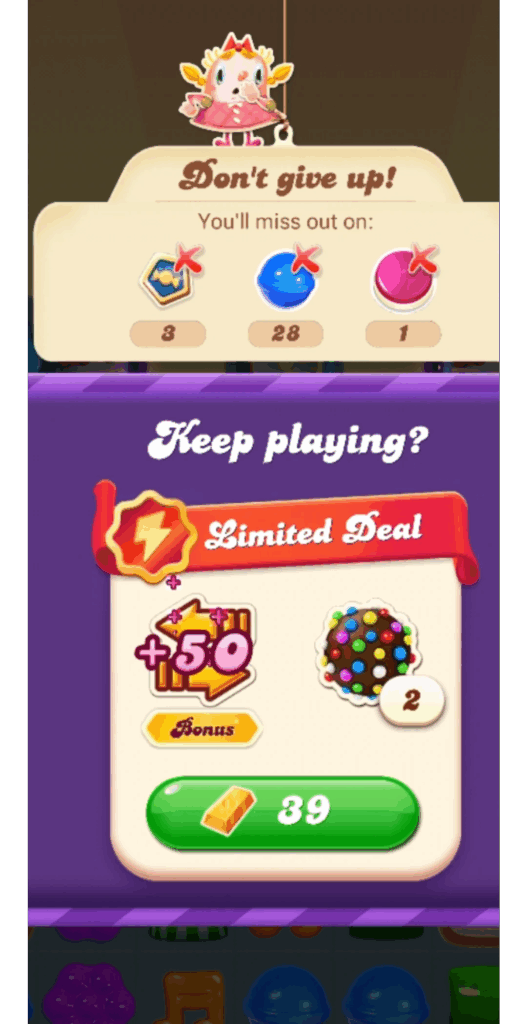
Another important factor is loss aversion. People dislike losing more than they enjoy winning. When players come close to finishing a level but fail, they often feel the urge to try again immediately. This keeps them playing even longer.
The structure of the game also increases its addictive quality. Candy Crush gives players only a limited number of lives. When they run out, they must either wait for lives to refill or buy more through microtransactions. This creates a sense of scarcity and makes returning to the game more tempting.
The game is also designed to be easy to learn but hard to master. Early levels make players feel skilled and confident. Later levels become more complex, keeping players engaged as they chase a sense of achievement. The mix of challenge and simplicity ensures that the game appeals to both casual and dedicated players.
Candy Crush is not just an individual experience. It connects to social media, allowing players to compare scores, ask friends for extra lives, and share progress. This social interaction creates friendly competition and peer pressure to keep playing. In addition, the game is free to download and available on almost every device. Its accessibility means people can play it anywhere.
The addictive nature of Candy Crush has both positive and negative effects. On one hand, it offers relaxation and entertainment, and some studies suggest puzzle games can improve memory and problem-solving skills. On the other hand, excessive play can lead to wasted time, frustration, and overspending on in-game purchases.
Overall, it’s addictive because it blends psychological triggers, clever design, and social connections. By understanding how the game keeps players hooked, people can make more mindful choices about their screen time. While there is nothing wrong with enjoying a few rounds, it is important to be aware of the strategies that make Candy Crush more than just a simple puzzle game…it is also a lesson in how human behavior can be shaped by design.
 Joanna Ni