Jesal Sharma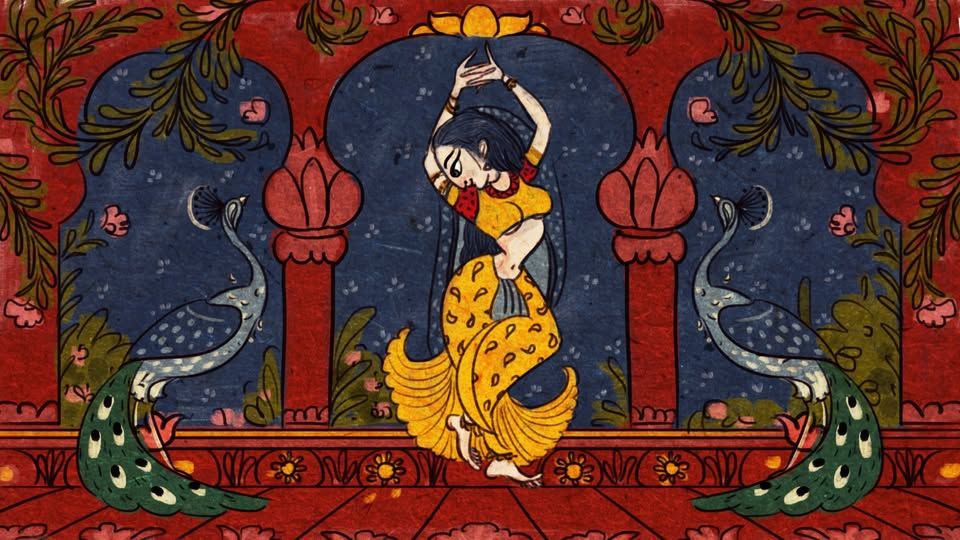
Indian patterns and motifs are not simply decorative choices or aesthetic preferences. They are a layered visual language built over thousands of years, shaped by religion, regional traditions, craft systems, and the everyday lives of people. What makes them especially distinctive is that they are rarely created only for beauty. They carry meaning, memory, and identity, often functioning like symbols that communicate ideas without words. To understand Indian design is to understand how deeply art is woven into daily life.
One of the most significant sources of motifs in India is spirituality. In Hindu, Buddhist, and Jain traditions, visual symbols are used to express philosophical ideas that are difficult to explain in language alone. The lotus is perhaps the most widely recognised example. It appears in temple carvings, textiles, miniature paintings, and even architecture. The lotus grows in muddy water but rises above it to bloom, which is why it represents purity, detachment, and spiritual awakening. In Buddhist art, it is associated with enlightenment, while in Hindu traditions it is linked to divine energy and creation itself. Gods and goddesses are often shown seated on lotus thrones, reinforcing its sacred meaning.
Another important motif is the mandala. These circular, highly detailed patterns are not just decorative compositions but representations of the universe. They are structured around a central point and expand outward in symmetrical layers, symbolising balance, wholeness, and cosmic order. Mandalas are used in meditation practices and ritual art, especially in Buddhist traditions in regions like Ladakh and Sikkim, where they are carefully created with coloured powders and then destroyed to reflect the impermanence of life.
Nature is another powerful influence on Indian motifs, and this comes from the country’s close relationship with agriculture, seasons, and biodiversity. The mango motif, often called ambi or paisley in Indian tradition, is one of the most widely used patterns in textiles such as Banarasi silks, Kashmiri shawls, and block-printed fabrics from Rajasthan. It symbolises fertility, prosperity, and continuity of life. Although it is known globally as paisley, its origins lie in Indian craftsmanship, where it was originally inspired by mango blossoms and seeds.
Floral motifs are equally significant. Marigolds, jasmine, lotuses, and vines appear constantly in Indian design. Marigolds are associated with festivals and celebrations, symbolising positivity and auspiciousness. Jasmine represents purity and is often used in hair adornments and temple offerings. Vine patterns and creeping florals, commonly seen in Mughal-inspired art, represent growth, connection, and eternal continuity. These designs became especially refined during the Mughal period, when Persian artistic influences blended with Indian natural themes to create intricate decorative styles seen in miniature paintings, architecture, and textiles.
Animal motifs also hold deep cultural meaning. The elephant is a symbol of wisdom, strength, and royal power, often associated with prosperity and good fortune. It is frequently seen in temple sculptures and festival processions. The peacock, India’s national bird, represents beauty, grace, and pride, and is closely linked to rain and renewal in many folk traditions. Fish motifs, especially in eastern India, symbolise abundance and fertility, while snakes, or nagas, are associated with protection and cosmic energy, often appearing in temple carvings and mythological art.
Geometric patterns form another essential part of Indian visual culture. Unlike purely ornamental design systems, these patterns are often based on mathematical precision and symbolic order. Repeating shapes such as squares, triangles, and interlocking lines represent stability, harmony, and structure. In temple architecture, these patterns are not random decoration but part of sacred geometry, designed to reflect cosmic principles. Even everyday crafts such as rangoli, made at the entrances of homes using coloured powders or rice flour, follow geometric symmetry to invite positive energy and balance into the household.
What makes Indian motifs especially rich is how they vary across regions while still sharing underlying ideas. In Rajasthan, block printing produces bold, repetitive floral and geometric designs suited to desert climates. In Kashmir, fine embroidery on wool reflects mountain landscapes and colder weather. In Tamil Nadu and Karnataka, temple art uses intricate carvings filled with mythological figures and symbolic patterns. In Bengal, terracotta temples display storytelling motifs carved into brick surfaces. Each region develops its own visual identity while remaining part of a larger cultural framework.
These motifs also live beyond traditional spaces. They appear in daily life on clothing, pottery, home interiors, jewellery, and even food presentation. A sari border, a wedding invitation, or a painted doorway often carries symbols that connect the present to centuries of tradition. Indian design is not separated from life; it is embedded within it.
Today, these patterns continue to influence global fashion and design, often appearing in modern reinterpretations across luxury brands and interior aesthetics. However, their original meanings remain rooted in Indian history and philosophy. Understanding these motifs is not just about recognising their beauty but about recognising the civilisation that created them.
In India, patterns are never empty space filled for decoration. They are stories without sentences, beliefs without speech, and history drawn line by line.