Joanna Ni
In today’s digital age, students seem to be inseparable with their smartphones. While phones do offer numerous benefits, their presence in the classroom has raised concerns regarding their impact on learning. Let’s delve into the research to understand how student phone usage influences academic performance.
1. Distractions
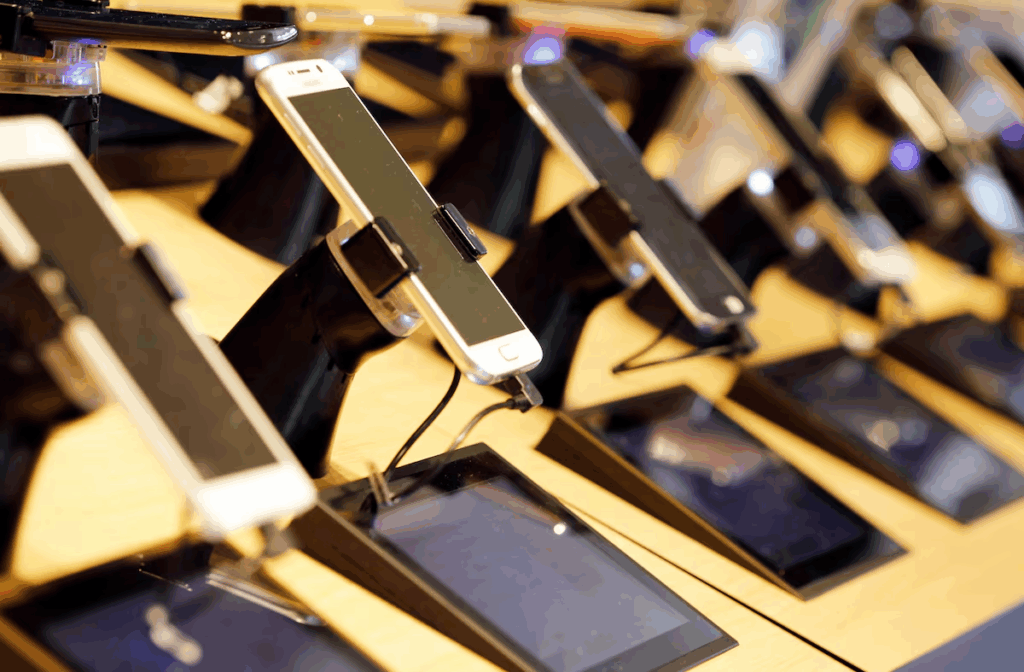
Numerous studies have highlighted the negative effects of smartphone use on academic performance. A comprehensive meta-analysis encompassing 44 studies revealed a significant correlation between excessive smartphone use and a decline in academic performance. The analysis found that behavioral smartphone addiction negatively affects students’ learning outcomes, with a notable effect size (it lowers ~12%).
Furthermore, a study conducted at Rutgers University in New Jersey indicated that while in-class device usage didn’t immediately lower comprehension test scores, it led to a decrease in end-of-term exam scores by at least 5%, highlighting the effects on long-term usage of devices.

2. Psychological Impacts
The presence of smartphones in classrooms can detract from students’ attention and focus. Research indicates that students who were instructed to place their smartphones on the front desk during class exhibited higher levels of course comprehension, lower anxiety, and increased mindfulness compared to those who kept their devices with them.
Additionally, a study from the University of Birmingham found that excessive phone and social media use was linked to lower grades, poor sleep, disruptive behavior, and lack of exercise. These negative outcomes persisted regardless of whether schools had strict phone policies, suggesting the need for a broader approach to managing phone usage
3. Policies and Their Effectiveness
In response to these concerns, many educational institutions have implemented policies to limit smartphone usage. For instance, the National Center for Education Statistics reported that 77% of public schools prohibit students from using cell phones during any class, with 53% of school leaders acknowledging negative impacts on academic performance due to phone usage.
Internationally, countries like the Netherlands have observed positive outcomes from such policies. A study found that 75% of surveyed high schools reported improved student concentration following the implementation of a mobile phone ban, with approximately one-third noting enhanced academic performance
Wrapping it All Up
While smartphones are indispensable tools in modern society, their presence in educational settings necessitates careful consideration. The research underscores the importance of managing smartphone usage to mitigate potential negative effects on students’ academic performance and well-being. Schools may need to adopt balanced policies that allow for the benefits of technology while minimizing its distractions.