Jesal Sharma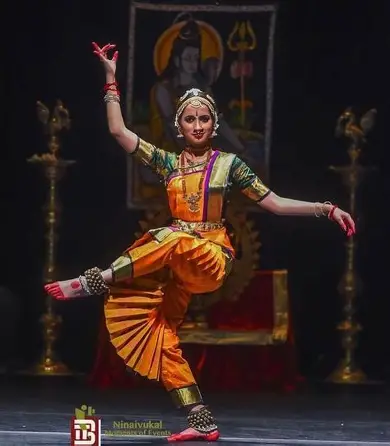

Dances of India. (n.d.). words.com. https://wordzz.com/dances-of-india/
India is a land of stories. For thousands of years, its people have shared myths, legends, and emotions not only through words but also through dance. Classical Indian dance is more than performance, it is a language of the body, a way to connect with history, spirituality, and community. Among India’s many regional dances, eight are recognized as classical pillars: Bharatanatyam, Kathak, Kathakali, Kuchipudi, Manipuri, Mohiniyattam, and Odissi, and Sattriya. Each is unique in style, costume, music, and storytelling, yet all share the same goal: to make audiences feel the story being told.
1. Bharatanatyam (Tamil Nadu)
Bharatanatyam is perhaps the oldest classical dance form in India, originating in the temples of Tamil Nadu over 2,000 years ago. It was traditionally performed as a devotional offering to the gods. Every gesture, pose, and movement in Bharatanatyam is carefully codified and has symbolic meaning. Dancers use their hands (mudras) to depict objects, emotions, or actions; their eyes and facial expressions to convey feelings like joy, anger, or sorrow; and their footwork to match the rhythm of accompanying music. The geometric poses, bent knees, angular arms, and steady postures, create patterns reminiscent of temple sculptures. Watching Bharatanatyam is like watching a story carved in motion, where even a small glance or subtle step communicates profound emotion.
2. Kathak (Uttar Pradesh)
Kathak comes from northern India and literally means “storyteller,” reflecting its origins as a dance-narrative tradition. Traveling performers would narrate epic stories from texts like the Mahabharata and Ramayana, often using dance, music, and expressive gestures. Over centuries, Kathak evolved under royal patronage in the Mughal courts, blending Persian elegance with traditional Indian storytelling. Kathak is known for fast spins (chakkars), precise footwork, and rhythmic patterns, often highlighted by ankle bells (ghungroo). Unlike Bharatanatyam’s temple-rooted spirituality, Kathak can be both devotional and theatrical, sometimes playful, sometimes dramatic. The dancer’s eyes, posture, and rhythm draw the audience into the story even without words.
3. Kathakali (Kerala)
Kathakali is a visually striking dance-drama from Kerala, famous for its elaborate costumes, vivid makeup, and painted masks. This form turns dancers into living sculptures, bringing gods, demons, and heroes to life on stage. Kathakali performances are long, often lasting all night, and combine dance, acting, martial arts, and storytelling. Every gesture, eye movement, and facial expression has a precise meaning. For example, wide eyes can express surprise, while subtle finger movements can indicate weapons or nature. Stories usually come from Hindu epics, portraying the battle between good and evil. Watching Kathakali is like seeing a myth unfold in front of you — larger than life, dramatic, and deeply emotional.
4. Kuchipudi (Andhra Pradesh)
Kuchipudi hails from Andhra Pradesh in southern India and is a blend of dance and drama. Traditionally, it was performed as a solo recital where dancers would act out multiple roles in the same performance, sometimes narrating stories through dialogue as well as movement. Kuchipudi is known for its fast footwork, rhythmic patterns, dramatic expressions, and graceful leaps. Some performances include balancing on a brass plate, adding a daring visual element. Costumes are rich and colorful, often with gold accents, and the dances are accompanied by classical Carnatic music. Kuchipudi emphasizes storytelling with personality, inviting the audience to see not just the plot, but the inner emotions of the characters.
5. Manipuri (Manipur)
Manipuri comes from the northeastern state of Manipur and is renowned for its soft, flowing, and devotional movements. Unlike the sharp angles of Bharatanatyam or the fast spins of Kathak, Manipuri is smooth and circular, almost like water flowing. It often tells the love story of Radha and Krishna or scenes from the Vaishnavite tradition, a form of Hindu devotion. Dancers use fluid arm movements, delicate footwork, and gentle turns, creating a feeling of serenity and grace. Costumes often include long skirts that accentuate flowing motions, and music is light and melodic. Manipuri is meditative; the audience experiences calm, devotion, and beauty all at once.
6. Mohiniyattam (Kerala)
Mohiniyattam, also from Kerala, is called the dance of the enchantress. Its movements are slow, swaying, and sensual, resembling gentle waves. The name comes from “Mohini,” a mythical female avatar of the god Vishnu. Traditionally performed by women, Mohiniyattam emphasizes grace, emotion, and feminine charm. The dance tells stories of love, devotion, and longing, often accompanied by soft Carnatic music and singing. Costumes are typically white or cream with golden borders, highlighting subtle movements of hands, eyes, and torso. It’s a dance that celebrates softness, elegance, and the beauty of emotion in motion.
7. Odissi (Odisha)
Odissi comes from Odisha in eastern India and is famous for fluid torso movements, intricate gestures, and sculptural poses. Inspired by temple sculptures, the dance emphasizes grace, rhythm, and devotion. Dancers often depict tales of gods and goddesses, portraying multiple characters through quick changes in expression and stance. Odissi features triangular body postures, flowing movements, and elegant footwork. Costumes are colorful, with silver jewelry and elaborate headpieces. Watching Odissi is like seeing a stone temple sculpture come alive, every pose tells a story, every movement carries meaning.
8. Sattriya (Assam)
Sattriya originates from the northeastern state of Assam and was traditionally performed in monasteries called sattras, founded by the saint and reformer Srimanta Sankardev in the 15th century. Initially, Sattriya was a devotional dance performed as an offering to the gods, especially Krishna. Over time, it evolved into a performance art, telling stories from Hindu epics through graceful hand gestures, footwork, and expressive movements. Dancers often wear traditional Assamese silk costumes and elaborate jewelry, and the music is provided by instruments like the khol, a type of drum, and cymbals. Sattriya combines spiritual devotion with storytelling, and its flowing, rhythmic patterns make it both meditative and visually captivating.
Why These Dances Matter
All seven classical dances are different, yet they share a common thread: the power of expression without words. Each movement, gesture, and expression is carefully designed to communicate emotion and narrative. Even if the audience does not know the language or mythology, the dance itself conveys joy, anger, love, or sorrow. They are living connections to India’s history, spirituality, and artistic heritage.
For first-time viewers, these dances may seem mysterious, magical, and even otherworldly. But they are also deeply human, a reminder that across cultures, we all tell stories through our bodies, faces, and movements. From the spinning feet of Kathak to the gentle waves of Mohiniyattam, India’s classical dances invite everyone to experience its stories in motion.