 Joanna Ni
The psychology of picking a seat in class is something students never really talk about, but almost everyone has a system. On the first day of school, people walk into the classroom pretending not to care where they sit, but somehow everyone still spends a full minute scanning the room before choosing a desk. Some students immediately head for the back because they want space and do not enjoy being watched by the teacher every five seconds. Others choose the front row because they genuinely want to focus or because they know they will forget everything if they sit near their friends. Then there are the students who choose the middle rows, which is probably the safest option because it lets them look responsible without becoming the center of attention.
What makes classroom seating so funny is how attached people become to their spots. After only a few days, a random desk suddenly becomes “their seat.” Nobody says it out loud, but there is an unspoken agreement that people should stay where they started. The second someone takes another person’s spot, the entire mood changes. People walk into class looking confused and betrayed over a chair and a tiny desk that belong to nobody. Some students will awkwardly stand there waiting for the other person to realize they are sitting in the wrong place, while others will spend the entire period annoyed but too shy to say anything.
Different seating choices also create completely different classroom experiences. Students near the windows usually spend at least part of class staring outside and thinking about literally anything except the lesson. Students sitting next to loud friends often begin class with good intentions before getting distracted within ten minutes. The students closest to the teacher sometimes become accidental participants in every discussion simply because avoiding eye contact is impossible at that distance. Meanwhile, students in the back somehow become experts at looking productive while doing absolutely nothing.
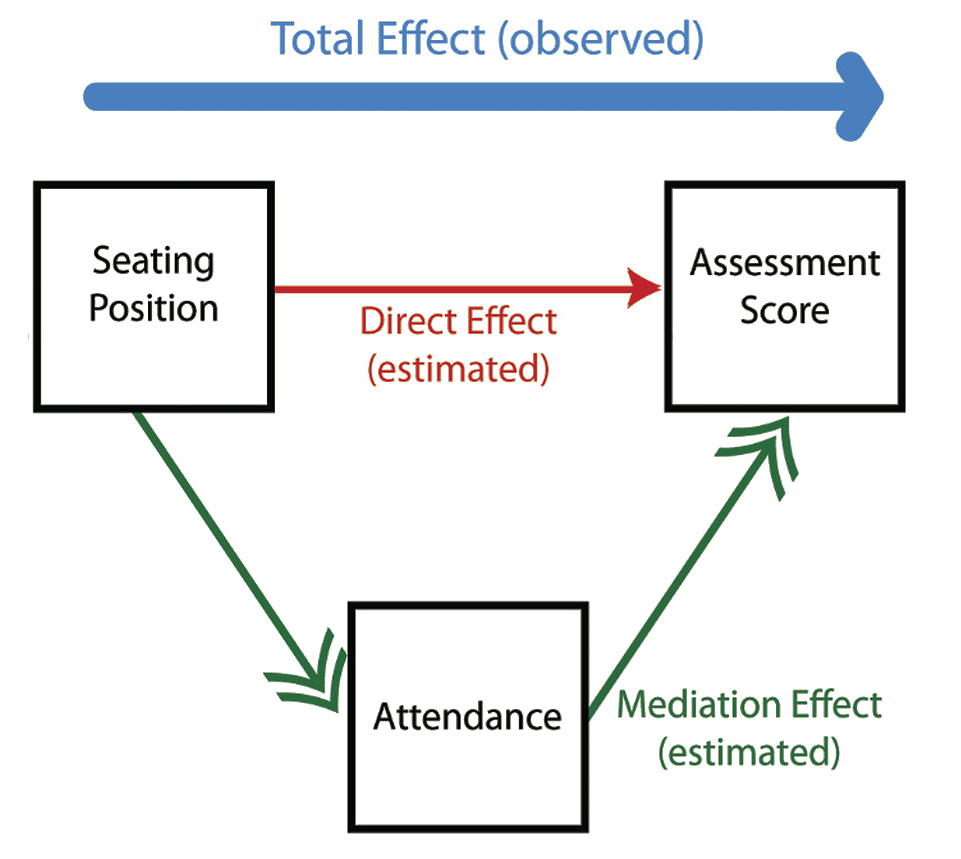
Teachers probably notice these patterns too. Every classroom has the students who arrive early to protect their favorite seats and the students who wander in late and end up wherever is left. Some people refuse to sit near the front under any circumstances, even if every other seat is open. Others stay loyal to one side of the room for the entire year like they signed a contract. At this point, classroom seating is less about convenience and more about survival.
In the end, picking a seat in class is not random at all. Whether students realize it or not, where they sit usually matches their personality, their habits, or at least the way they want other people to see them. Even though school is supposed to be about learning, students still spend an impressive amount of energy defending a specific desk like it is personal property.





wish you all the best