Wen Jue Niew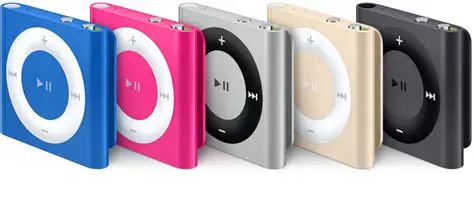
Apple killed the iPod, its second most successful product after the iPhone, on the May of 2022. Apple’s Greg Joswiak states, “The spirit of iPod lives on.”
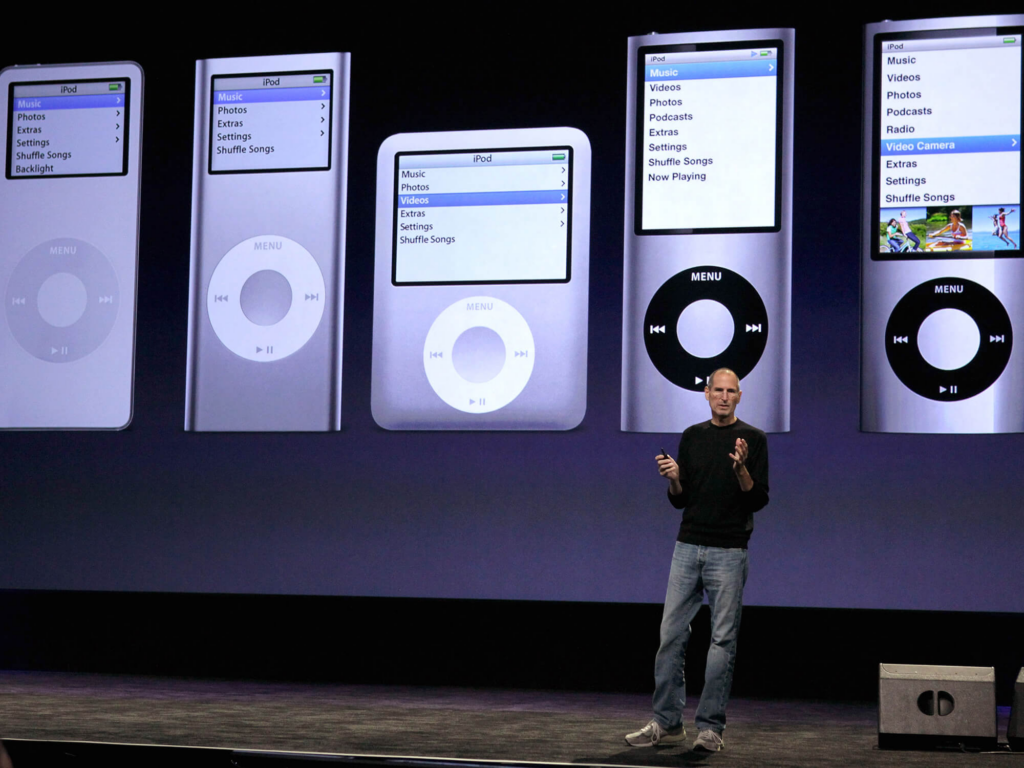
Steve Jobs unveiled the original iPod Classic, the “1000 songs in your pocket”, in 2001. According to Marcel Brown, it featured “a 5 GB hard drive, Firewire connectivity, and synchronization to iTunes. By using a 1.8″ drive, the iPod was significantly smaller than competing MP3 players of the time. The Firewire port allowed simultaneous charging and high-speed music synchronization, innovative for its time.” Paul Terpstra adds, “The iPod’s success wasn’t immediate. Apple sold fewer than 400,000 units in its first year, but by 2006, annual sales had soared to nearly 40 million. Its popularity also fueled the launch of the iTunes Store, which redefined how music was purchased and distributed.
When Steve Jobs announced the original iPhone on 2007, he called it “a phone, an iPod, a breakthrough internet communicator”, a “widescreen iPod with touch control”. The iPhone was a device the size of an iPod with the ability to traverse the internet and phone people, rendering the iPod redundant for most occasions. Furthermore, the rise streaming music services like Apple Music and Spotify further decreased the need for MP3 players.
By the mid-2010s, iPod sales were lowering. “Apple’s decision to discontinue the iPod was not solely based on consumer behavior and technological advancements; it was also a matter of profitability. As sales dwindled, maintaining production lines and distribution channels for a less popular product became increasingly difficult” (TechBloat).
According to Apple, “Since its introduction over 20 years ago, iPod has captivated users all over the world who love the ability to take their music with them on the go. Today, the experience of taking one’s music library out into the world has been integrated across Apple’s product line — from iPhone and Apple Watch to iPad and Mac — along with access to more than 90 million songs and over 30,000 playlists available via Apple Music.
‘Music has always been part of our core at Apple, and bringing it to hundreds of millions of users in the way iPod did impacted more than just the music industry — it also redefined how music is discovered, listened to, and shared,’ said Greg Joswiak, Apple’s senior vice president of Worldwide Marketing. “Today, the spirit of iPod lives on. We’ve integrated an incredible music experience across all of our products, from the iPhone to the Apple Watch to HomePod mini, and across Mac, iPad, and Apple TV. And Apple Music delivers industry-leading sound quality with support for spatial audio — there’s no better way to enjoy, discover, and experience music.’ “
In short, the purpose of the iPod was integrated into other Apple devices, therefore rendering the iPod lineup obsolete.