Jesal Sharma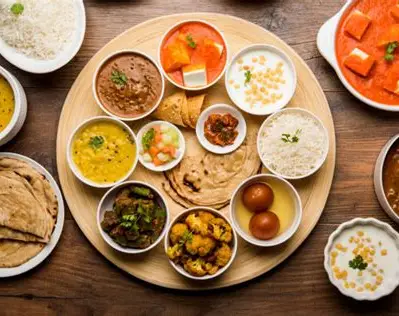
In India, food is far more than something you eat. It is a reflection of the land, the climate, the people, and the centuries of history that shaped each region. Travel a few hundred kilometres in any direction and the flavours begin to change. Oils are replaced, spices shift, cooking styles transform, and even the idea of a basic meal evolves. This is why it is often said that Indian food changes every 200 kilometres, and it is one of the clearest ways to understand the country’s diversity.
Geography is one of the strongest influences on Indian cuisine. Along the coasts, food is light, fragrant, and rich in seafood. In Kerala, coconut appears in almost everything, from fish curries to vegetable stews. In Goa, seafood is paired with tangy spices and vinegar, a reminder of Portuguese influence. Move inland to Punjab, and meals become heavier and more dairy-rich, featuring dishes like butter chicken, dal makhani, and fresh rotis made from wheat grown in the fertile plains. In Rajasthan’s dry climate, food is designed to last, with dishes like dal baati churma that use ghee and hardy lentils.
History adds another layer of flavour. We have gravies, biryanis, and kebabs in North India, while trade routes brought chillies, tomatoes, and potatoes into everyday cooking. In the east, Bengal is known for its delicate balance of sweet and savoury, with fish curries, mustard flavours, and iconic sweets like rasgulla and sandesh. In the south, rice dominates, paired with sambhar, rasam, dosas, and idlis, each region adding its own spice blends and techniques.
Culture and religion also shape what people eat. Many regions practise vegetarianism, creating complex and flavourful plant-based dishes, while others celebrate meat and seafood. Even a single dish changes from state to state. A biryani in Hyderabad tastes nothing like one in Kolkata or Lucknow, yet each version is deeply loved and fiercely defended.
Indian food changes every 200 kilometres because India itself changes every 200 kilometres. Each region cooks with what it has, remembers what it has inherited, and eats in a way that reflects its identity. To explore Indian cuisine is to travel through the country’s geography, history, and culture, one plate at a time.
Picture credit: (2026). Hogr.app. https://hogr.app/blog/wp-content/uploads/2023/07/image-65.png